How to Safely Clean Green Algae on Old Vinyl Fencing
Learn how we safely remove green algae and moss from old vinyl or plastic fences with soft washing, without using harsh pressure or damaging the material.
How We Help Homeowners Deal With Green Fences
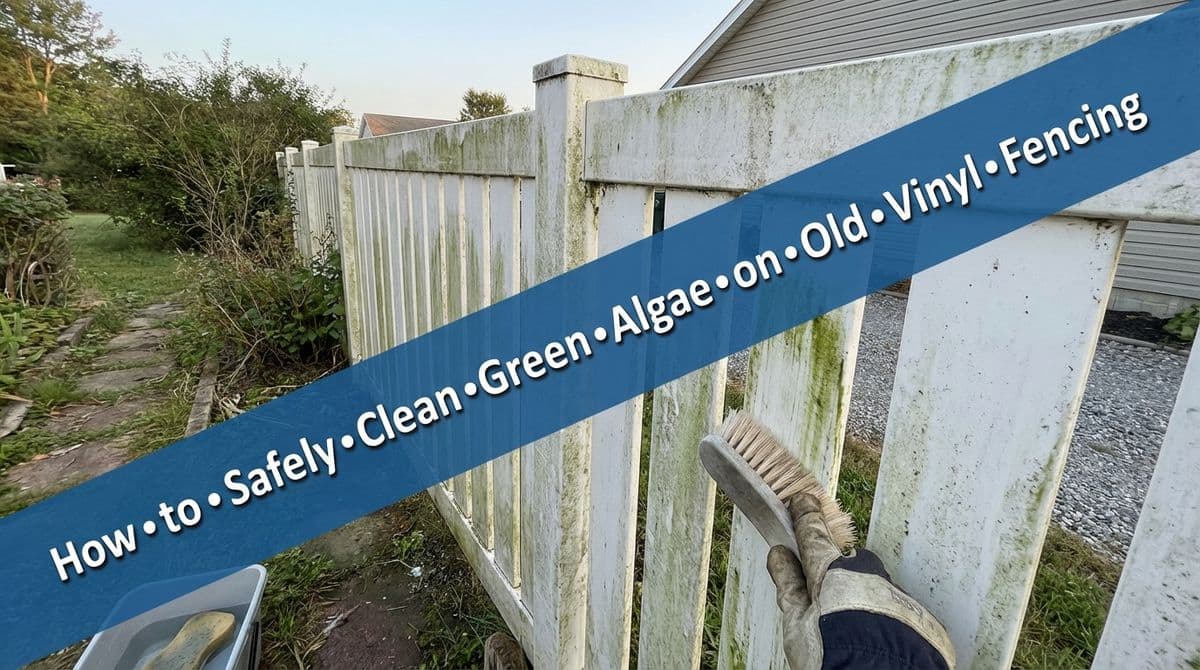
We recently got a call from a homeowner — let’s call him Dan — who had a white plastic fence in his backyard that had turned a not-so-lovely shade of green. The outside of the fence was maintained by the neighborhood, but the inside was his responsibility, and over the past couple of winters it had developed a stubborn layer of green algae and moss.
Dan told us the fence had been there for about 20 years and didn’t get much sun because of the way his house shaded it. That lack of sunlight is the perfect recipe for algae and moss on older vinyl or plastic fencing. He asked what we use to clean it, whether we could do it without damaging the material, and if it was something he could try himself.
We walked Dan through our soft washing process and what products and techniques are safe for older vinyl or plastic fences. In this post, we’ll share that same advice so you can clean your own fence safely — or at least know what to ask for if you hire a pro.
Why Old Vinyl and Plastic Fences Turn Green
Over time, vinyl and plastic fences can develop a green film or patches that are usually:
- Algae – slimy green film that loves moisture and shade
- Moss – thicker, velvety growth that can hold moisture against the surface
- Mildew – light gray or greenish spotting, especially in damp climates
Dan’s fence faced an area that stayed shaded most of the day, so the surface rarely dried out fully. Add in a couple of wet winters, and that older plastic fence became prime real estate for green growth.
The key is removing that growth gently so you don’t etch, chalk, or weaken the material — especially on fences that have been baking in the elements for 15–20 years.
Why We Use Soft Washing Instead of High Pressure
When Dan first called, one of his questions was whether we just “blast it” with a pressure washer. That’s a common assumption, but on older vinyl or plastic fencing, high pressure can:
- Force water into seams and joints
- Scuff or etch the surface, making it dull and chalky
- Create tiny scratches that actually hold more algae later
That’s why we use a soft wash method: a cleaning solution that kills the algae and moss, followed by a gentle rinse with low pressure. The chemicals do the heavy lifting; the water just rinses everything away.
Safe Cleaning Mixes for Green Algae and Moss
With Dan, we explained that we use a solution based on sodium hypochlorite (the same active ingredient in household bleach, but in professional strengths) mixed with water and surfactants (soaps that help the solution cling to the surface).
If you’re tackling this yourself, here’s a homeowner-friendly version using regular liquid bleach:
- 1 part household bleach (6% sodium hypochlorite)
- 3–4 parts water
- Optional: a small squirt of mild dish soap to help it stick
Important safety notes:
- Wear gloves, eye protection, and old clothing.
- Pre-rinse nearby plants and grass, and cover delicate landscaping if possible.
- Never mix bleach with vinegar, ammonia, or other cleaners — dangerous fumes can form.
Step-by-Step: How We Soft Wash a Green Fence
Here’s essentially the same basic process we described to Dan — the one we use on customer fences all the time:
1. Rinse and Prep the Area
We start by lightly rinsing the fence and the surrounding ground and plants with plain water. This helps dilute any cleaning solution that might run off later and knock off loose dirt.
If you’re doing this yourself, use a garden hose with a standard nozzle. There’s no need for pressure yet.
2. Apply the Cleaning Solution
Next, we apply the sodium hypochlorite solution with a low-pressure sprayer so it lays on the surface instead of misting into the air. For DIY, a pump-up garden sprayer works well.
Work in manageable sections (8–10 feet at a time) and:
- Start from the bottom and work up to reduce streaking
- Keep the surface evenly wet with solution
- Avoid spraying directly into seams and gaps
3. Let It Dwell (But Don’t Let It Dry)
We typically allow the solution to sit for about 5–10 minutes, depending on how heavy the growth is and the weather conditions. This is what actually kills the algae and moss.
You’ll often see the green start to turn brown or gray — that’s a good sign it’s dying. If the surface starts to dry, lightly mist more solution on before moving to the rinse.
4. Gently Rinse With Low Pressure
Once the growth is dead, we use a soft rinse to wash everything away. For professional equipment, that means a larger nozzle and low PSI. For homeowners, a regular garden hose with a spray nozzle works fine.
The goal is to:
- Rinse from top to bottom
- Flush away loosened algae and moss
- Avoid “carving” into the surface with a concentrated jet
5. Spot-Treat Stubborn Areas
On older fences like Dan’s, some spots can be more stubborn, especially near the ground or between pickets. We’ll re-apply solution to those areas and gently agitate with a soft brush or sponge if needed — never a wire brush or anything abrasive.
Then we give it a final rinse and check for any missed patches.
Common Mistakes That Damage Old Vinyl Fencing
We see a few DIY mistakes over and over when we’re called in after the fact:
- Too much pressure – using a pressure washer close-up and scarring the surface
- Harsh scrubbing – abrasive pads or wire brushes that dull the finish
- Strong, undiluted chemicals – using straight bleach or unknown cleaners that can discolor or weaken plastic
- Ignoring plants – not protecting landscaping from chemical runoff
If your fence is older or already a bit chalky, it’s especially important to go gentle and let chemistry, not force, do the work.
How Often Should You Clean a Green Fence?
For shaded fences like Dan’s, we typically recommend a light cleaning once a year. In very damp, shady spots, you might see growth returning sooner, but once a year keeps it from getting out of hand.
If you stay on top of it, maintenance cleans are faster, use milder solutions, and are easier on the material in the long run.
Not Sure If Your Fence Can Handle Cleaning?
Every fence ages a little differently depending on sun exposure, weather, and quality of the original material. If you’re unsure whether your old vinyl or plastic fence can handle cleaning, we’re always happy to take a look, talk through the options, and recommend the safest approach for your specific situation.
Whether you decide to DIY with a gentle approach or have us handle the soft washing for you, the goal is the same: a clean, bright fence without sacrificing years of life in the process.